Research Dossier
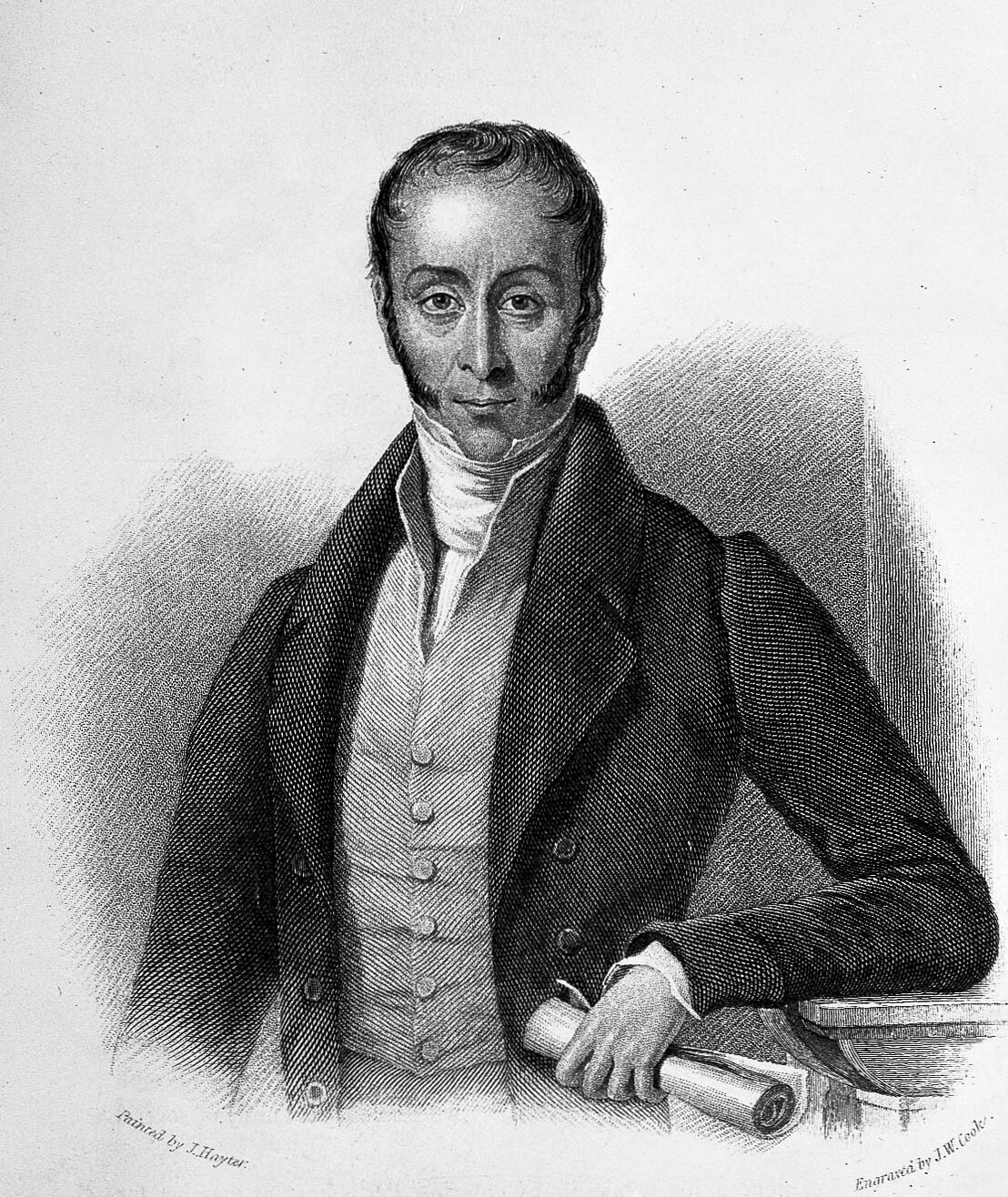
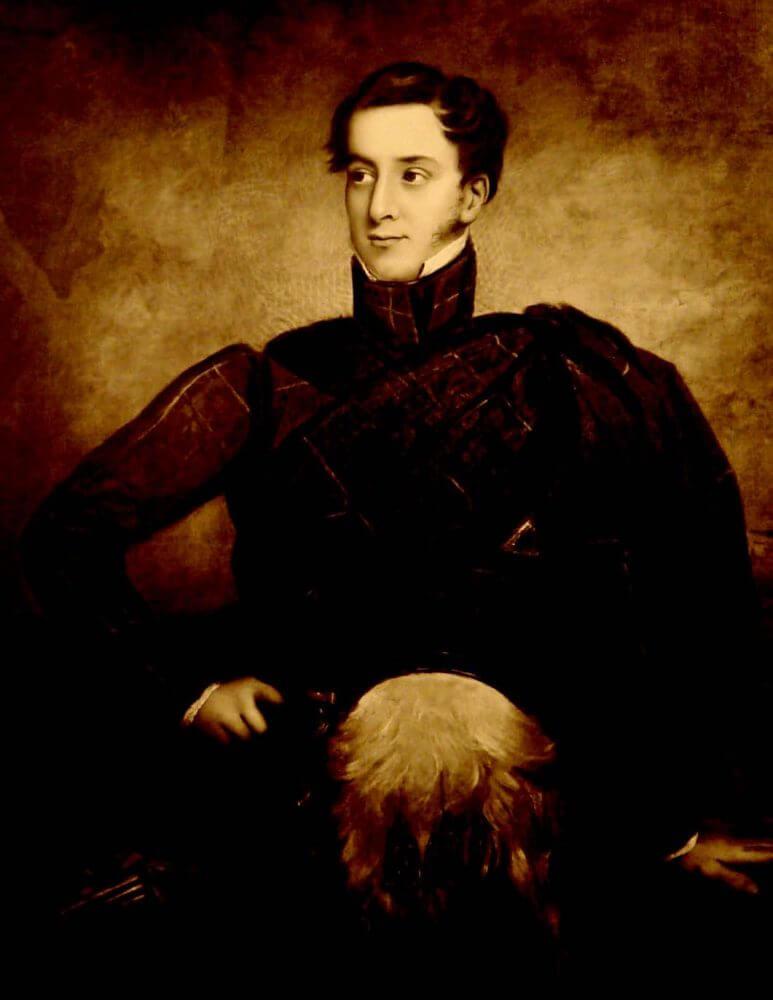
William Alexander Mackinnon - 33rd Chief Clan MacKinnon
Slavery-era wealth, family inheritance, and imperial colonization in South Australia. Researched by Ronald MacDonald, Nora MacKinnon-Gold, Emma-Jane MacKinnon-Lee and Daniel MacKinnon Roberts.
Executive Summary
This is not just a vague case of a slaveholding family later appearing near Australian history. The stronger argument is a direct biographical and institutional connection: Mackinnon benefited from compensation connected to enslaved people in Antigua, then moved into formal colonial governance for South Australia. The same person stands at both ends of that imperial sequence.
Direct slavery-to-colonization link
William Alexander Mackinnon benefited from compensation tied to 279 enslaved people on the Mackinnon Estate in Antigua, then became a South Australia colonization commissioner the following year.
Institutional bridge to Australia
His role was not symbolic. The South Australia commission managed land sales, migration finance, and core colonial administration from London.
Capital, status, and imperial office
His social and financial position came from a multi-generational plantation family in Antigua, helping enable his place in imperial governance networks.
What Can Be Stated with High Confidence
- His wealth, status, and political access were partly rooted in multi-generational plantation slavery in Antigua.
- He had an operational role in South Australia's colonization machinery: land, migration finance, and institutional design.
- South Australian colonization advanced through Aboriginal dispossession, despite formal language that appeared to recognize prior occupation rights.
What Is Still Unproven
- No direct, pound-by-pound financial trail has been demonstrated from Antigua compensation into one specific Australian land purchase or vessel.
- No strong evidence in the provided material confirms that Mackinnon personally travelled to South Australia.
Chronology
- 1834: Compensation linked to the Mackinnon Estate in Antigua (279 enslaved people).
- September 1834: Named as a director in the Royal Bank of Australasia and South Africa project prospectus.
- May 5, 1835: Appointed a commissioner under the South Australia Colonization framework.
- 1835-1839: The commission oversaw major land-sales expansion (including roughly 50,000 acres sold).
- April 9, 1848: Francis Alexander Mackinnon (future 35th Chief) was born in Kensington, London.
- 1878-1879: Francis visited Australia and New Zealand on the Lord Harris cricket tour and played his only Test in Melbourne.
- November 8, 1893: Arthur Avalon Mackinnon (future 36th Chief) was born in Kimberley, South Africa.
- June 16, 1914: Arthur was promoted in the Royal Navy (acting sub-lieutenant to sub-lieutenant).
- June 14, 1945: Listed in the London Gazette as Commander Arthur Avalon Mackinnon, Royal Navy, retired.
- February 27, 1947: Francis Alexander Mackinnon died at Drumduan, Forres, Morayshire.
- April 8, 1964: Arthur Avalon Mackinnon died in Kent.
- March 29, 1983: Alasdair Neil Hood Mackinnon (37th Chief) died; succession passed to his daughter Anne Gunhild Mackinnon (38th Chief).
Core Family Tree
William Alexander Mackinnon was the great-great-grandson of slave-owner Dr Daniel Mackinnon.
The sequence is: William Alexander Mackinnon (1784-1870), 33rd Chief; his son William Alexander Mackinnon (1813-1903), 34th Chief; then Francis Alexander Mackinnon (1848-1947), 35th Chief; then Arthur Avalon Mackinnon (1893-1964), 36th Chief; then Alasdair Neil Hood Mackinnon (born 1926), 37th Chief; then Anne Gunhild Mackinnon (born 1955), 38th Chief. This also means Francis was the grandson of the South Australia commissioner (1784-1870), not his son.
Dr Daniel Mackinnon
↓
William Mackinnon (son)
↓
William Mackinnon (grandson line)
↓
William Mackinnon (father)
↓
William Alexander Mackinnon
↓
William Alexander Mackinnon (son, 1813-1903)
↓
Francis Mackinnon (35th Chief)
↓
Arthur Avalon Mackinnon (36th Chief)
↓
Alasdair Neil Hood Mackinnon (37th Chief)
↓
Anne Gunhild Mackinnon (38th Chief)
Lineage Details: Dates, Places, Residence, Wealth
Dr Daniel Mackinnon
Dates: c.1658-1720
Birth/Death: Likely born in Skye; died in Antigua.
Residence/Activity: Associated with the early Mackinnon presence in Antigua (including Dickenson's Bay in historical accounts).
Wealth/Property: Foundational figure in the Antigua family line; later accounts describe major property accumulation, though figures are not securely quantified.
William Mackinnon (son of Daniel)
Dates: c.1697-1767
Birth/Death: Likely born in Antigua; died in Bath, England.
Residence/Activity: Active between Antigua and Britain; inherited and transmitted plantation property.
Wealth/Property: Part of the estate-owning and slaveholding continuity of the family line.
William Mackinnon (grandson generation)
Dates: 1732-1809
Birth/Death: Birth place not securely identified in the provided material.
Residence/Activity: Linked to Antigua and absentee-owner networks in Britain.
Wealth/Property: Identified as part of the inherited estate chain tied to enslaved labor in Antigua.
William Mackinnon (father of William Alexander)
Dates: 1760-1794
Birth/Death: Died at sea while returning from Antigua.
Residence/Activity: Antigua and Britain.
Wealth/Property: Held the family estate interests before transmission to the next generation.
William Alexander Mackinnon
Dates: 1784-1870 (some older references use 1789)
Birth/Death: Born in Dauphine, France; died at Broadstairs, Kent.
Residence/Activity: Imperial political life centered in Britain (especially London/Kent).
Wealth/Property: Received compensation share tied to the Antigua estate and died with effects near GBP 100,000.
William Alexander Mackinnon (son, MP for Lymington)
Dates: 1813-1903
Birth/Death: Born in Marylebone, London; died in Folkestone, Kent.
Residence/Activity: Educated at St John's College, Cambridge; active in parliamentary politics.
Wealth/Property: Inherited elite family status and became the 34th Chief of Clan Mackinnon.
Francis Alexander Mackinnon (35th Chief)
Dates: 1848-1947
Birth/Death: Born April 9, 1848 in Kensington, London; died February 27, 1947 at Drumduan, Forres, Morayshire.
Residence/Activity: Linked with Acryse Place/Park in Kent; later moved to Skye, Inverness-shire, and finally Drumduan.
Wealth/Property: Died with effects valued at GBP 19,626 9s 9d; substantial gentry wealth, but below his grandfather's near-GBP 100,000 estate.
Arthur Avalon Mackinnon (36th Chief)
Dates: 1893-1964
Birth/Death: Born November 8, 1893 in Kimberley, South Africa; died April 8, 1964 in Kent.
Residence/Activity: Imperial naval and clan profile: Royal Navy officer, later clan chief, and family-archive donor to maritime collections.
Wealth/Property: No reliable public probate figure confirmed in this dossier; should remain marked as unverified.
Alasdair Neil Hood Mackinnon (37th Chief)
Dates: b. 1926
Birth/Death: Born February 24, 1926 (date as provided in compiled notes).
Residence/Activity: Succeeded as the 37th Chief in the direct line after Arthur Avalon Mackinnon.
Wealth/Property: No wealth figure confirmed in the current source set.
Anne Gunhild Mackinnon (38th Chief)
Dates: b. 1955
Birth/Death: Born February 13, 1955.
Residence/Activity: Daughter of Alasdair Neil Hood Mackinnon and Patricia Reading; recognized as current Chief of Clan MacKinnon in modern clan records.
Wealth/Property: No verified probate/estate figure in this dossier; continuity is genealogical and titular rather than a documented transfer amount from slavery-era assets.
Marriage and Children
William Alexander Mackinnon married Emma Mary Palmer in 1812.
Their eldest son, William Alexander Mackinnon (1813-1903), later served as MP and became the 34th Chief of Clan Mackinnon.
- William Alexander Mackinnon (1813-1903)
- Lachlan Bellingham Mackinnon (1815-1877)
- Emma Mary Mackinnon (1818-1891)
- Flora Elizabeth Mackinnon (1821-1898)
- Daniel Roger Lionel Mackinnon (1824-1854)
- Louisa Harriet Mackinnon (1826-1902)
Francis Alexander Mackinnon (35th Chief): Expanded Profile
- Born on April 9, 1848 in Kensington, London; died on February 27, 1947 in Drumduan, Forres, Morayshire.
- Son of William Alexander Mackinnon (1813-1903, 34th Chief) and Margaret Sophia Willes.
- Educated at Rose Hill School (Tunbridge Wells), Harrow School, and St John's College, Cambridge.
- Visited Australia via cricket: toured Australia/New Zealand in 1878-1879 with Lord Harris's team, played his only Test in Melbourne (scores: 0 and 5), and travelled in colonial society networks including around South Australia.
- Public and local roles included Kent cricket service, presidency of Kent County Cricket Club (1889), JP and Deputy Lieutenant of Kent, and East Kent Mounted Rifles service (with honorary major rank from 1886).
- Married Emily Isabel Acland-Hood in 1888 (daughter of Admiral Arthur William Acland Hood).
Children of Francis Alexander Mackinnon:
- Aline Emily Mackinnon (d. 1971, unmarried)
- Alexander Hood Mackinnon (d. 1914, First World War)
- Arthur Avalon Mackinnon (b. 1893, Kimberley, South Africa; later 36th Chief)
Arthur Avalon Mackinnon (36th Chief): Profile
- Name correction: ArthurAvalon Mackinnon (not "Aurthur").
- Born November 8, 1893 in Kimberley, South Africa; died April 8, 1964 in Kent.
- Son of Francis Alexander Mackinnon (35th Chief) and Emily Isabel Acland-Hood, linking the Mackinnon and Hood naval family lines.
- Royal Navy career: promoted in 1914 (London Gazette); listed in 1945 as Commander Arthur Avalon Mackinnon, Royal Navy, retired.
- Marriages: first to Gunhild Kroyer (January 4, 1921, Copenhagen; she died in 1946), second to Kathleen Mary Robb (January 10, 1948).
- As clan chief, he is recorded as recognizing associated septs in 1958 (including Love, MacKinney, MacKinning, MacKinven, and MacMorran).
- Archive legacy: connected with Hood family paper donations to maritime collections in the 1950s and later additions via family descendants.
Children of Arthur Avalon Mackinnon:
- Gunhild Aline Avalon Mackinnon (b. April 30, 1922)
- Alasdair Neil Hood Mackinnon (b. February 24, 1926; later 37th Chief)
- Ian Kroyer Mackinnon (b. October 8, 1929)
For the Antigua-Australia thesis, Arthur is better read as continuity of imperial status rather than direct colonial institution-building in the South Australia model.
Anne Gunhild Mackinnon (38th Chief): Profile
- Daughter of Alasdair Neil Hood Mackinnon (37th Chief) and Patricia Reading.
- Born on February 13, 1955.
- Succession passed from father to daughter in the same direct line, not to a lateral male branch.
- Modern clan sources identify her as Madam Anne Gunhild MacKinnon of MacKinnon, current Chief, with a U.S. representative named Stephen MacKinnon (Massachusetts).
- Date note: some commercial/cultural summaries mention 1980, but 1983 is more coherent for formal succession because it aligns with the death of the 37th Chief.
- Married Allan Jeffery on December 19, 1980.
Children of Anne Gunhild Mackinnon:
- Andrew James Mackinnon of Mackinnon, younger (b. December 12, 1982)
- Robert Ian Mackinnon (b. May 15, 1985)
Analytical caution: this dossier can show lineage continuity from a slavery-linked branch, but it cannot quantify a direct, specific slavery-derived transfer amount to Anne without detailed estate records.
Conversion of Imperial Power
William Alexander Mackinnon represents a conversion of imperial power: from Caribbean plantation slavery to settler-colonial institution building in Australia. The claim is not that Antigua "alone founded" South Australia, but that the social capital, political networks, and inherited wealth generated through Atlantic slavery were directly embedded in the bodies that organized South Australian colonization.
Slavery Wealth and Clan Legitimacy
In practical terms, slavery-generated wealth likely offered a major structural advantage to this branch of the Mackinnon line, even if we cannot claim they literally "bought" the chiefship without direct documentary proof.
What can be argued with stronger confidence is that the Antigua line had capital, status, education, political networks, and the ability to publish, litigate, and apply institutional pressure. Much of that capacity came from plantation wealth built through enslaved labor.
William Alexander Mackinnon was not a marginal Highland claimant trying to prove descent from Skye without resources. The evidence base used in this dossier presents him as part of a long Antigua planter lineage, with compensation linked to enslaved people in 1834 and formal clan recognition as 33rd chief in 1809.
A wording correction is important here: saying he "repurchased Mackinnon lands" can sound restorative or community-minded. A more accurate framing is that Antigua-derived plantation wealth strengthened his position as a landlord, gentleman-politician, and claimant to clan authority through property, status, and genealogical capital.
That does not imply support for the wider clan population. It aligns more closely with private-property logic in the same era as the Highland Clearances. The same source tradition that mentions reacquisition language also describes him as an absentee landowner and reports compensation linked to hundreds of enslaved people on the Antigua estate.
The broader historical pattern is also stronger than one family case: scholarship on slavery wealth and Highland landownership argues that colonial slave-derived capital and clearance-era estate restructuring were materially interconnected.
Caution remains necessary at the local level. Without direct documentary proof for a specific eviction sequence (for example, Strathaird cases), this dossier should not attribute each clearance event to William Alexander Mackinnon personally.
The strongest historical conclusion is therefore cautious: slavery wealth does not prove the genealogy by itself, but it likely provided the social machinery that made a contested genealogy institutionally successful.
Source Spine
- People Australia (Australian National University) biography entry on William Alexander Mackinnon.
- UCL Legacies of British Slavery records (including Antigua claims).
- South Australian institutional and legal history materials.
- Parliamentary debate material (Hansard).